Most people ask for “a website” the way they ask for “a vehicle.” Useful — until you realise a scooter and a truck solve different days.
Before you compare agencies, colours, or page builders, name the job the site has to do. The type follows from that.
Start with the job, not the look
Write one sentence: When someone lands here, what should they do next?
Examples:
- Book a call
- Buy a product
- Trust us enough to enquire
- Learn, then join a course
- Prove we exist and look serious If you cannot finish that sentence, pause. Design without a job becomes decoration.
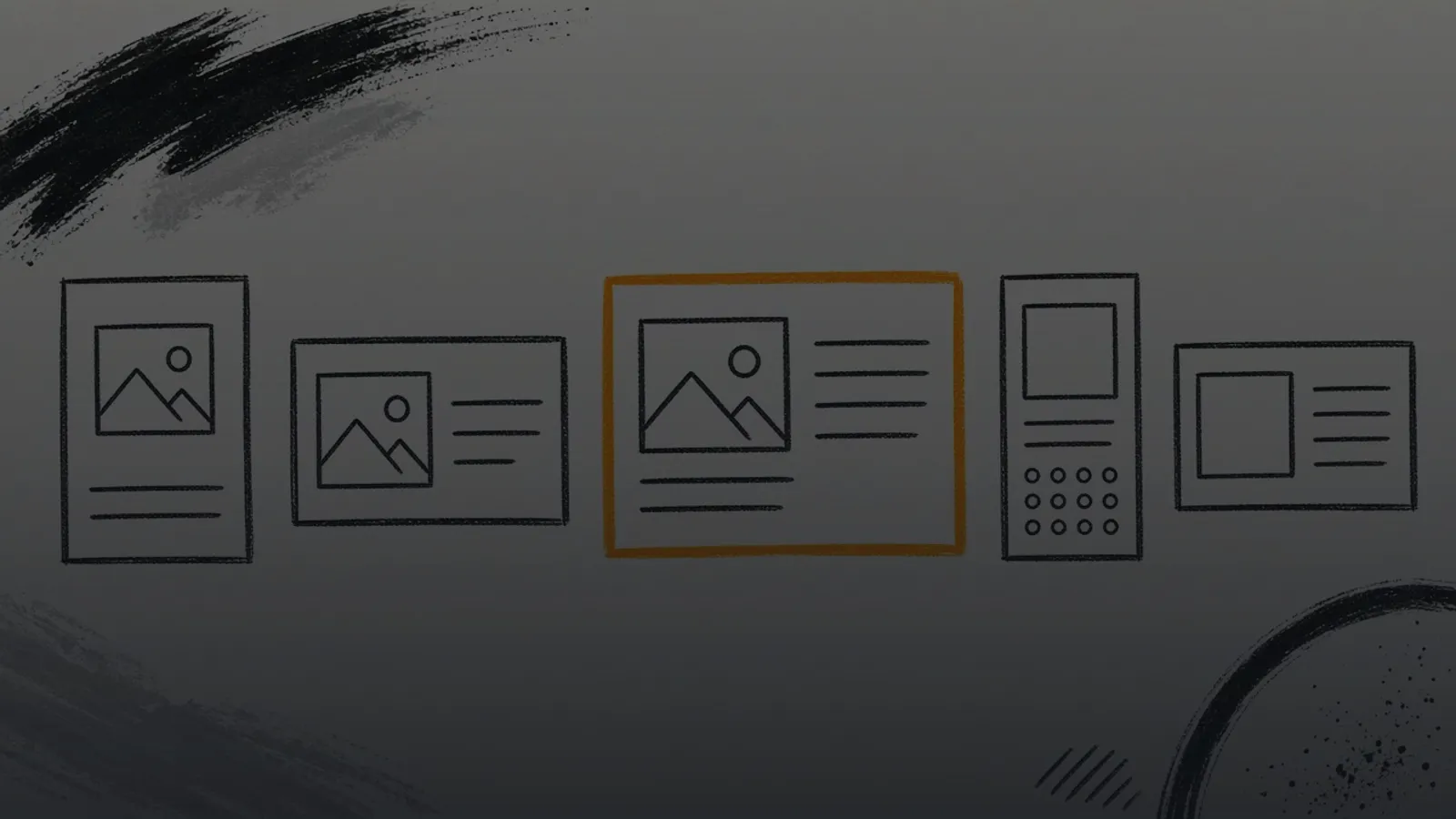
Common shapes (and when they fit)
Brochure / presence site
A few clear pages: who you are, what you do, how to reach you. Good when trust and clarity matter more than catalogue depth. Bad when you need search, stock, or accounts.
Corporate / service site
Structured services, proof, process, and a serious enquiry path. Fits studios, consultants, clinics, B2B offers. Usually needs stronger SEO and cleaner information architecture than a brochure.
Shop (ecommerce)
Catalogue, cart, payments, shipping rules. Only choose this if selling online is a real channel — not because “everyone has a shop now.” A shop you ignore is worse than a strong enquiry form.
Course / membership site
Lessons, login, progress. Heavier to build and maintain. Right when content delivery is the product.
Blog-led or resource site
Publishing is the growth engine. You need a writing habit, not just a blog template.
App-shaped product site
Marketing site in front; product behind. Keep the marketing site honest about what the product does on day one.
A short decision test
Ask:
- Do people buy on the site, or enquire?
- How often will content or products change?
- Who will update it after launch — you, staff, or us?
- Do you need search visibility in the first six months? Buy and enquire are different builds. Daily updates need a calmer CMS story than a site that changes twice a year.
What to avoid
- Ordering “everything” (shop + LMS + blog + app) for a first version
- Copying a competitor’s sitemap without copying their business model
- Choosing a type because a template looked expensive A smaller site that does one job well beats a large site that confuses people.
What to do next
Write your one-sentence job. Circle one type above. Then talk scope — pages, content you already have, and what “done” means.
If you want a second pair of eyes on that choice, tell us about the project. We will answer with a clear shape, not a feature shopping list.